Wimbledon Village rubbish collection guide for narrow streets
Posted on 02/09/2026
If you live or work in Wimbledon Village, you already know the charm comes with a catch: the streets can be tight, parking is awkward, and a simple rubbish collection can turn into a bit of a puzzle. This Wimbledon Village rubbish collection guide for narrow streets is here to make the whole process feel manageable, whether you are clearing a flat, tidying a mews property, handling post-renovation waste, or just trying to get bulky items out without upsetting the neighbours.
The aim is straightforward. You need rubbish removed safely, without blocking a lane, damaging a wall, or causing a bottleneck on a road that barely has room for two vehicles at the best of times. That is especially true in areas where foot traffic, residents, deliveries, and the occasional school run all seem to happen at once. Let's get practical, then.
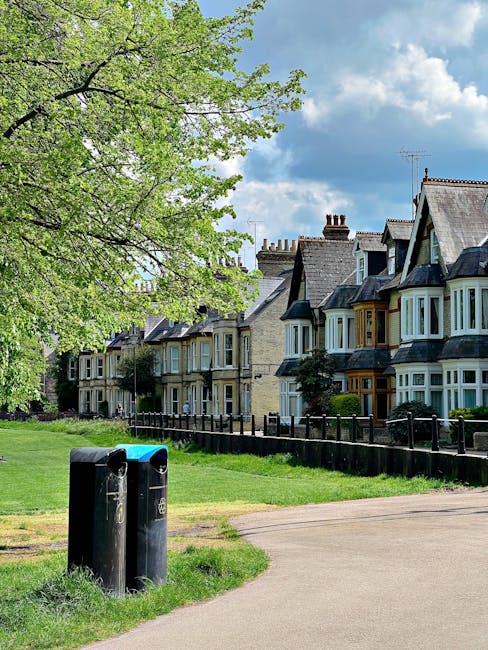
Why Wimbledon Village rubbish collection guide for narrow streets Matters
Wimbledon Village has its own rhythm. The streets are often residential, compact, and not designed for big, slow, awkward collections. On paper, rubbish removal sounds simple: put waste out, collect it, job done. In reality, narrow access changes almost everything.
When a vehicle cannot safely stop outside, collection teams may need to plan a different approach, such as a smaller vehicle, timed loading, or a short carry from a more accessible point. That affects timing, cost, and the level of preparation needed from you. If the waste is left in the wrong place, it can become a hazard or inconvenience very quickly. And nobody wants a wheelie bin, a stack of old furniture, and a frustrated neighbour all sharing the same pavement space at 8 a.m.
This matters even more in Wimbledon Village because a lot of properties have shared access, limited turning space, or tight front gardens. You may also be dealing with heritage-style homes, converted buildings, or mews-style layouts where manoeuvring is awkward at the best of times. A good plan reduces stress and makes the collection feel calm rather than chaotic.
There is also a trust element. If you are booking a professional service, you want a team that understands local access restrictions, respects residents, and arrives prepared. If you are planning a one-off clearance, you want no surprises. In our experience, the best jobs are the ones where the access issue is discussed early, not after the van has already arrived and everyone is standing around looking at each other.
For broader context on the area and how people live here day to day, you may find it useful to read Wimbledon living advice from residents and a guide to exploring Wimbledon.
How Wimbledon Village rubbish collection guide for narrow streets Works
A narrow-street rubbish collection is usually about planning the route, the load, and the timing as carefully as the actual lift. The collection team needs to know what is being removed, where it is located, how much space there is to work with, and whether parking or access will be limited.
Here is the basic flow:
- You describe the waste clearly. That includes item type, approximate volume, and any awkward pieces such as sofas, mattresses, builders' sacks, or garden cuttings.
- The access details are checked. This is where narrow roads matter. The team needs to know about one-way streets, low walls, restricted parking, shared entrances, steps, or anything that could slow loading.
- The most suitable collection method is chosen. Sometimes a smaller vehicle is better. Sometimes a two-person lift is enough. Sometimes a short walk from the property to a legal loading point is the safest option.
- The waste is prepared. Items are grouped, separated if needed, and kept in a safe, accessible place ready for loading.
- Collection happens with minimal disruption. The aim is fast, tidy removal with as little obstruction as possible.
That sounds simple enough, but the difference between a smooth job and a messy one is usually the detail. A front step that seems harmless can make carrying a washing machine tricky. A road that looks passable on a quick visit may be much tighter once cars are parked. Even a few extra metres of carrying can change the way a crew works.
If the collection involves mixed waste, house clearances, or building debris, planning becomes even more important. For larger or more complex jobs, the service structure described on the services overview page gives a useful sense of how different types of waste removal are handled.
Key Benefits and Practical Advantages
Getting rubbish removed well in a narrow-street setting is not just about convenience. It can save time, reduce risk, and keep the neighbourhood side of things on good terms. A few real advantages stand out.
1. Less disruption. The right plan means less double-parking, less blocking pavements, and fewer awkward moments with pedestrians trying to squeeze past.
2. Faster clearance. When waste is sorted, accessible, and ready, the crew can load efficiently. No hunting for items. No wandering around. Just work.
3. Lower risk of damage. Narrow streets often mean close contact with garden walls, railings, parked cars, and door frames. Careful collection reduces the chance of scrapes and knocks.
4. Better neighbour relations. This sounds soft, but it matters. A quiet, tidy collection is much more likely to be accepted by the people living next door.
5. More flexibility for awkward properties. Wimbledon Village includes homes and commercial spaces that are not built for large vehicle access. A good rubbish collection approach adapts to the property rather than forcing the property to adapt to the vehicle.
There is also a sustainability angle. If waste is separated properly, recyclable items can be handled more effectively and unnecessary landfill can be reduced. For readers who want to understand that side in more detail, recycling and sustainability is worth a look.
Who This Is For and When It Makes Sense
This guide is useful for a few different groups, and not all of them are obvious at first glance.
- Homeowners in Wimbledon Village clearing old furniture, loft clutter, or post-move rubbish.
- Landlords and letting agents handling end-of-tenancy waste or abandoned items.
- People selling a property who want the place clear and presentable before viewings or photography.
- Residents dealing with a renovation where rubble, packaging, and offcuts build up fast.
- Small businesses and offices near the village centre that need discreet and efficient removal.
- Anyone with limited access who cannot rely on a large vehicle or a standard driveway pickup.
It makes sense whenever the normal "just leave it outside" approach is not ideal. In some streets, that would be a bad idea anyway. In others, it may simply be impractical. Either way, the collection needs a proper plan.
If your need is tied to a move, a sale, or a refresh before market photos, the local context in selling property in Wimbledon and Wimbledon real estate guidance may be useful background.
Step-by-Step Guidance
Here is a practical way to handle rubbish collection in a narrow Wimbledon Village street without turning it into a whole drama.
1. Identify exactly what needs removing
Start with a clear inventory. Separate general rubbish, furniture, garden waste, electrical items, and building debris. If you mix everything together, the collection becomes harder to plan and may take longer on the day.
2. Measure the awkward bits
If you are moving larger items, check whether they will fit through hallways, down stairs, or around corners. A sofa that looks manageable in the room may be a nightmare on the landing. It happens. Often.
3. Check the access route
Look at the street at the time you want the collection. Is parking tight? Are there delivery vehicles around? Is there enough room to load safely without blocking entrances or crossing into the pavement too much?
4. Keep items accessible
Place waste in one spot if possible, ideally close to the most practical loading point. Do not spread it across multiple rooms or scatter it down the side return. The more compact the staging area, the smoother the job.
5. Flag special conditions early
Tell the collection team about steps, narrow gates, shared driveways, fragile surfaces, coded entries, or neighbours who may object to noise at certain times. A tiny detail now can save a headache later.
6. Choose the right collection window
Where narrow access is an issue, timing matters. Early morning may be calmer. Midday can be busier. School-run periods can be a headache. The "best" time is usually the quietest time, not necessarily the first time that comes to mind.
7. Confirm what happens with sorting
If the waste includes recyclable materials, green waste, or reusable items, ask how it will be separated. That gives you a better result and avoids unnecessary handling.
8. Leave the site clean and clear
Once the collection is done, check paths, front steps, and shared access points. A final sweep is worth it. Small debris tends to hide in corners, and somehow it always shows up after the van has gone.
Expert Tips for Better Results
These are the small things that make a surprisingly big difference in narrow-street rubbish removal.
- Use the street itself as part of the plan. If parking is impossible directly outside, know the nearest sensible loading point before collection day.
- Bundle loose waste. Cardboard, plastic packaging, and lightweight debris can blow about in a breeze. Tie it up or bag it properly.
- Put awkward items first. If there is a heavy wardrobe or broken appliance, have that ready before softer waste. It sets the pace.
- Avoid leaving bags at the kerb overnight. In a village setting, that can create clutter, attract attention, and make the area look untidy.
- Be realistic about volume. A quick visual guess is often too optimistic. If you are unsure, add a little buffer.
- Tell the crew what not to move. This saves mistakes. Everyone appreciates clear instructions, especially on tight sites.
One good habit is to take a slow walk from the property to the nearest likely vehicle stop and ask yourself, "Would I want to carry this item the whole way?" If the answer is no, the plan probably needs adjusting. Simple, but effective.
For awkward clearance jobs involving mixed household contents, house clearance in Wimbledon can be a sensible route, while for tidy-ups involving green cuttings or prunings, garden waste removal in Wimbledon may suit better.

Common Mistakes to Avoid
Narrow streets expose every bit of poor planning. The mistakes below are common, and most of them are avoidable.
- Assuming a large van will fit. It might. It might not. Do not leave this to chance.
- Underestimating carrying distance. Ten extra metres sounds minor until you are carrying a fridge or a stack of plasterboard.
- Leaving items in the wrong place. A tucked-away side return or blocked hallway can slow everything down.
- Failing to sort waste by type. Mixed waste can be more cumbersome and may not be handled as efficiently.
- Booking too late in the day. In busy streets, delays build quickly. By late afternoon, access can be at its worst.
- Ignoring nearby residents. Loud dragging, temporary blocking, and careless parking all create friction. A little courtesy goes a long way.
- Overfilling bags or boxes. They split. Then you have a spill, a mess, and an annoyed person with a broom.
The biggest mistake, honestly, is thinking narrow access is a minor detail. It is not. It shapes the whole collection.
Tools, Resources and Recommendations
You do not need a shed full of equipment, but a few simple tools can make rubbish collection in Wimbledon Village much easier.
| Tool or Resource | Why It Helps | Best For |
|---|---|---|
| Heavy-duty sacks | Keep loose waste contained and easy to carry | Household clutter, light mixed waste |
| Tape, ties, or straps | Stops cardboard and loose packaging from spreading | Packaging, flat-pack waste, small tidy-ups |
| Gloves and sturdy footwear | Improves grip and reduces minor injuries | Most collection prep |
| A tape measure | Helps check awkward furniture or access gaps | Furniture removal, tight hallways |
| Notepad or phone list | Keeps the waste inventory organised | Any job with multiple waste types |
For more detail on how local services are structured, the rubbish collection Wimbledon page gives a useful overview of general waste removal support, and waste removal Wimbledon is helpful if you are comparing broader collection options.
If you are deciding whether you need a same-day slot or can wait for a more convenient window, this guide on same-day rubbish removal in Wimbledon may help you think it through. To be fair, same-day sounds brilliant until you realise the street is packed at lunchtime.
Law, Compliance, Standards, or Best Practice
For narrow-street rubbish collection, the safest approach is to follow sensible UK waste-handling practice and local property etiquette, even where the issue is more practical than legal. You should avoid placing rubbish where it obstructs pedestrians, neighbours, emergency access, or road use. If items need to be loaded from the public highway, that should be done carefully and only when safe and appropriate.
Waste should also be handled by a provider that takes duty-of-care seriously. That means keeping waste secure, transporting it properly, and sorting it responsibly where required. If you are dealing with mixed waste, especially items that may contain hazardous components or electrical parts, extra care is sensible. A professional team should be able to explain how they manage that without making a song and dance about it.
Insurance matters too. If a collection takes place on a tight street, the risk of accidental damage is higher simply because the margin for error is smaller. A provider should have appropriate cover in place and clear procedures for safe handling. You can read more about that in the insurance and safety information available on the site.
It is also worth checking the terms before booking so you know what is included, how access issues are handled, and what happens if the site description changes on arrival. The pages on terms and conditions, payment and security, and privacy policy can help set expectations in a straightforward way.
And yes, if you are comparing providers, transparency is a good sign. Straight answers are better than clever wording.
Options, Methods, or Comparison Table
There is no single "best" method for every narrow-street collection. The right choice depends on waste type, access, urgency, and how much disruption you can tolerate.
| Method | Best For | Pros | Limitations |
|---|---|---|---|
| Self-loading to a nearby stop point | Small loads, light waste | Flexible, quick, often simple | More effort on your side, not ideal for heavy items |
| Small-vehicle collection | Very narrow streets or restricted access | Better manoeuvrability, less disruption | May not suit very large clearances |
| Two-person carry from the property | Furniture, appliances, awkward items | Safe handling, less strain on you | Needs clear access inside and outside |
| Full house clearance | Large or mixed waste volumes | Most efficient for bigger jobs | Requires planning and may take longer |
| Specialist builders' waste removal | Renovation debris, rubble, offcuts | Handles heavier, messier waste well | Needs separation and careful preparation |
For renovation-related waste, builders waste disposal in Wimbledon is the most relevant route. If the job is mainly a full property clear-out, the better match may be house clearance or broader waste removal support.
Case Study or Real-World Example
Picture a typical Wimbledon Village mews property on a weekday morning. There is a slim front access, a short run of paving, and just enough street width for cautious loading. The homeowner has a broken armchair, several black bags, a dismantled shelving unit, and a stack of old boxes from a recent move.
If they tried to handle it ad hoc, the waste would probably end up half on the pavement and half in the hallway, which is never ideal. Instead, the sensible approach is this: the items are grouped in the front room the night before, the awkward furniture is broken down where possible, and the collection slot is booked for a quieter period. The team arrives knowing there is no generous driveway and no big turning circle waiting for them. They plan to work from the nearest safe stopping point.
What happens next? The job feels smaller than it looked. That is the interesting thing. A clear route and a realistic plan almost always make the waste look less overwhelming. The resident gets the space back faster, and nobody has to mutter apologies to the neighbour opposite for blocking the lane for twenty minutes. Result.
That same approach works for garden clearances, end-of-tenancy rubbish, or a few bulky items after a renovation. The details change, but the principle stays the same: know the access, keep the waste accessible, and avoid improvising on the day.
Practical Checklist
Use this quick checklist before collection day. It is simple, but it saves a lot of faff.
- Identify every item to be removed.
- Separate general waste, recyclable material, garden waste, and builders' waste.
- Check whether large items fit through hallways and doors.
- Measure tight corners, steps, or gates if needed.
- Confirm the best loading point on your street.
- Check parking restrictions and likely traffic times.
- Tell the provider about narrow access, shared entrances, or awkward lifting conditions.
- Keep waste in one accessible area.
- Bag or bundle loose materials securely.
- Prepare any questions about insurance, timing, and what happens if access changes.
- Leave a final clear path for the collection team.
If you are dealing with office contents rather than domestic waste, it may be more sensible to look at office clearance in Wimbledon, especially where furniture and paperwork need to be removed without disrupting neighbours or building access.
Conclusion
Wimbledon Village rubbish collection on narrow streets is all about thoughtful planning, not brute force. If you understand the access, stage the waste properly, and choose the right collection method, the job becomes much easier. The good news is that most problems are preventable. A little preparation really does go a long way.
The best collections feel almost invisible from the street: tidy, quick, respectful, and done without fuss. That is the standard worth aiming for, especially in a place where every metre of pavement seems to matter. And once the waste is gone, the whole property feels lighter. Cleaner. Calmer. Strange how satisfying that is, really.
Get a free quote today and see how much you can save.


From a young age, Blair has cultivated a passion for order, which has now matured into a prosperous profession as a waste removal specialist. She derives satisfaction from transforming disorderly spaces into practical ones, aiding clients in conquering the burden of clutter.
 Tipper Van - Rubbish Collection and House Waste Clearance Prices in Wimbledon, SW19
 Luton Van - Household Waѕte & Green Waѕte Removal Prices